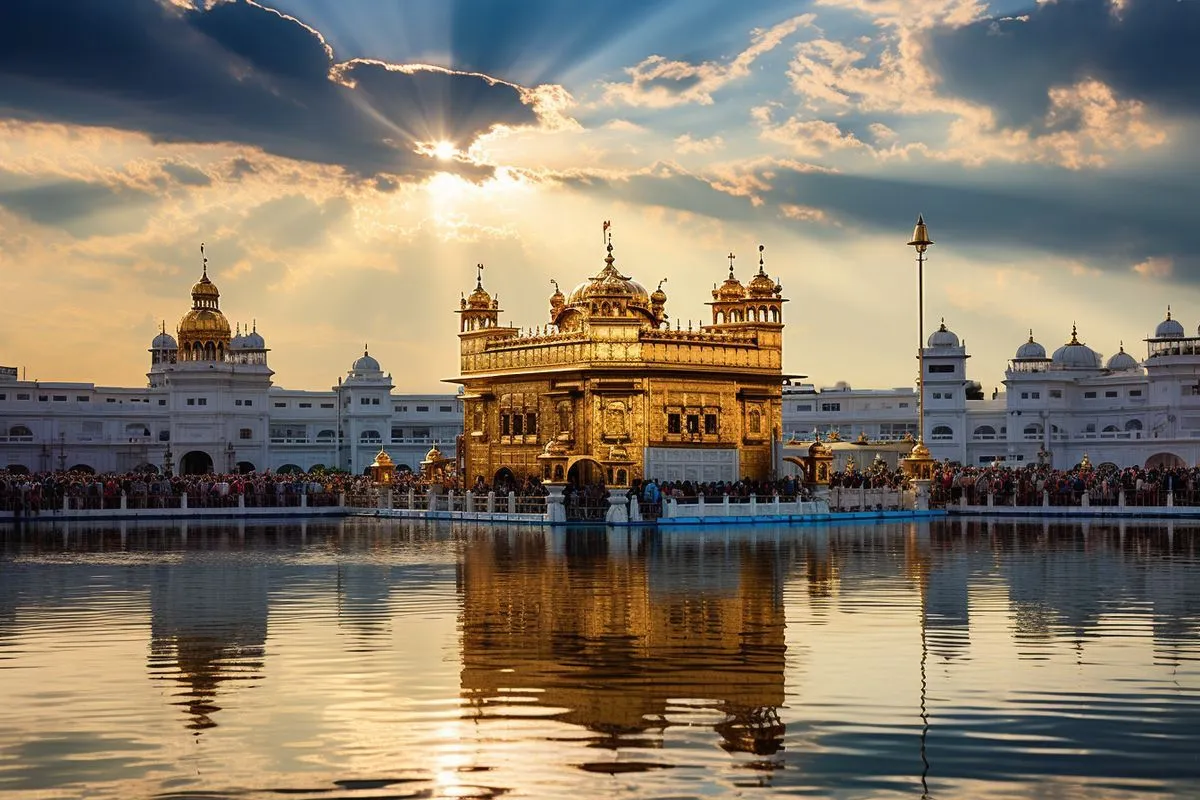
Understanding Sikhism
Learn about the history, beliefs, teachings, and way of life of Sikhi, from Guru Nanak Dev Ji and the Sikh Gurus to Guru Granth Sahib Ji, Khalsa, seva, and langar.
What Is Sikhism? — A Complete, In-Depth Guide
The teachings of Guru Nanak Dev Ji and the Sikh Gurus who followed him gave rise to the monotheistic religion and spiritual path known as Sikhism, or Sikhi, in the Punjab region of South Asia in the late 15th century. Fundamentally, Sikhi teaches selfless service, remembrance of the Divine, equality of all people, belief in a single, universal Creator, genuine life, and resistance to injustice.
Sikhi is more than just a religion or set of beliefs. It is a way of life that inspires individuals to live truthfully, restrain their ego, help others, give to those in need, and stay in touch with God while carrying out their daily obligations.

What Does “Sikh” Mean?
The word Sikh (ਸਿੱਖ) comes from the Sanskrit term shishya (शिष्य), meaning “disciple,” “student,” or “learner.” At its core, a Sikh is a lifelong learner: a disciple of the Guru’s teachings and a sincere seeker of truth. This meaning is more than linguistic. It captures the essence of the Sikh spiritual path. Sikhi is not a faith of rigid dogma or passive belief. It is a living tradition that asks every person to grow, reflect, and practise devotion in their own daily life.
Being a Sikh means accepting the Guru as the everlasting teacher and seeing oneself as a student in the classroom of life. In Sikh tradition, the Guru is both the example set by the Ten Gurus and the divine wisdom found in the Guru Granth Sahib Ji. Because spiritual growth is a continuous process rather than a destination, a Sikh humbly follows this guidance. This learner’s outlook builds openness, curiosity, and humility (nimrata), all of which are essential on the spiritual path. In every moment of life, the Sikh is ready to unlearn ego, learn the truth, and rediscover compassion.


The Origins of Sikhism
Around 1469 CE, during a time of intense religious tension between Islam and Hinduism in South Asia, Sikhism first appeared in the Punjab region (modern-day India and Pakistan). Its founder, Guru Nanak Dev Ji, disapproved of the empty rituals he saw in the two main religions of his day and of the strict caste system of Hindu society. Instead, he preached a simple message: there is only one God, and all people are equal in that God’s sight, regardless of caste, gender, or religion.
Over the following two centuries, ten human Gurus developed and strengthened the faith. They turned a small spiritual movement into a distinct religion with its own institutions, code of ethics, sacred text, and sense of community.
Guru Nanak Dev Ji: The Founder of Sikhism
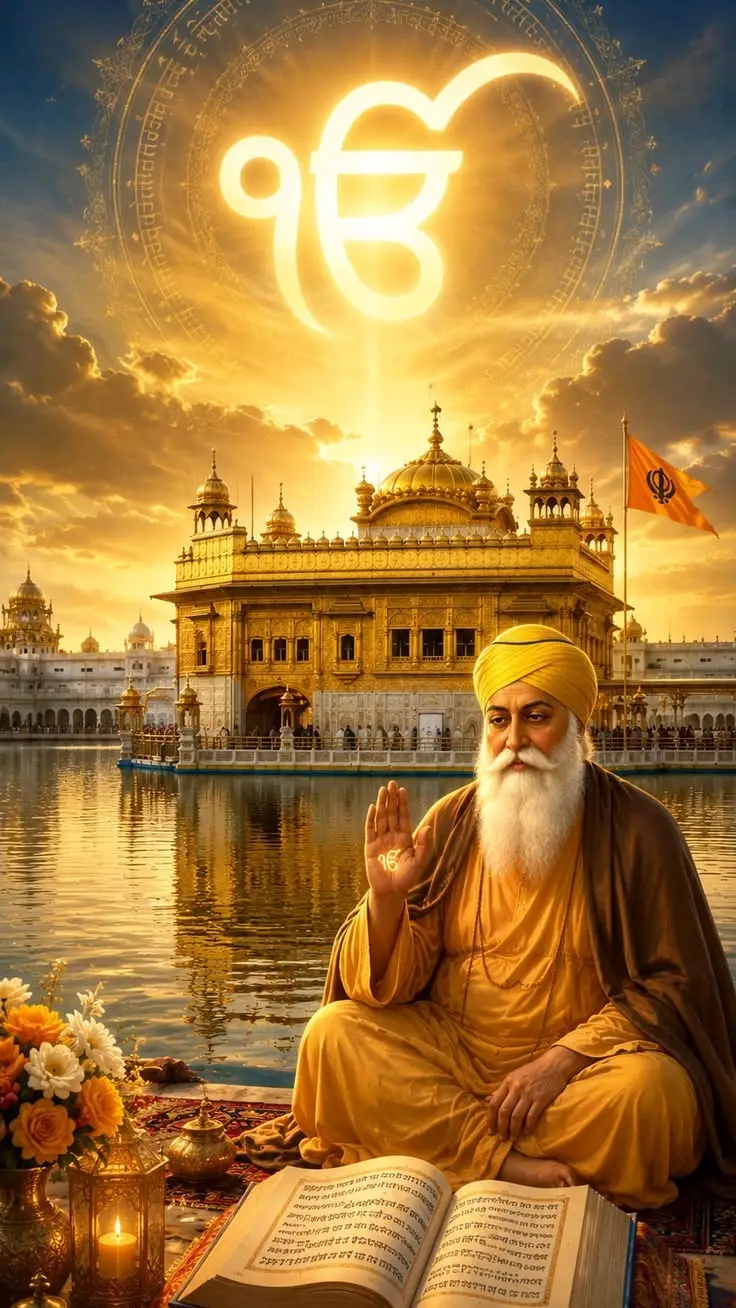
Guru Nanak Dev Ji was born in 1469 in Talwandi (now Nankana Sahib, Pakistan). From a young age he showed little interest in worldly pursuits and preferred spiritual reflection. According to Sikh history, when Guru Nanak Dev Ji was about 30 years old, he disappeared into a river for three days and returned with a divine revelation. His first words are famously remembered as:
“There is no Hindu, there is no Muslim.”
This statement did not reject any religion. It declared that all people are children of one all-powerful God, beyond labels and divisions. Before founding the first Sikh community at Kartarpur, Guru Nanak Dev Ji spent much of his life travelling through South Asia, the Middle East, and beyond on journeys known as the Udasis, sharing his teachings on equality, one God, and honest living.

Sikhism Today: A Global Faith
Sikhism is the fifth-largest religion in the world, with an estimated 25 to 30 million followers. Most Sikhs live in Punjab, India, but there are large diaspora communities in the US, UK, Canada, Australia, and many other countries. Sikh communities are well known for their contributions to interfaith dialogue, charitable work, and disaster relief. Langar community kitchens are now a common sight at humanitarian response sites around the world.
Even though Sikhs are spread across the globe, their identity remains rooted in shared values: service to humanity, devotion to one God, and a firm commitment to equality and justice.