The Ten Sikh Gurus
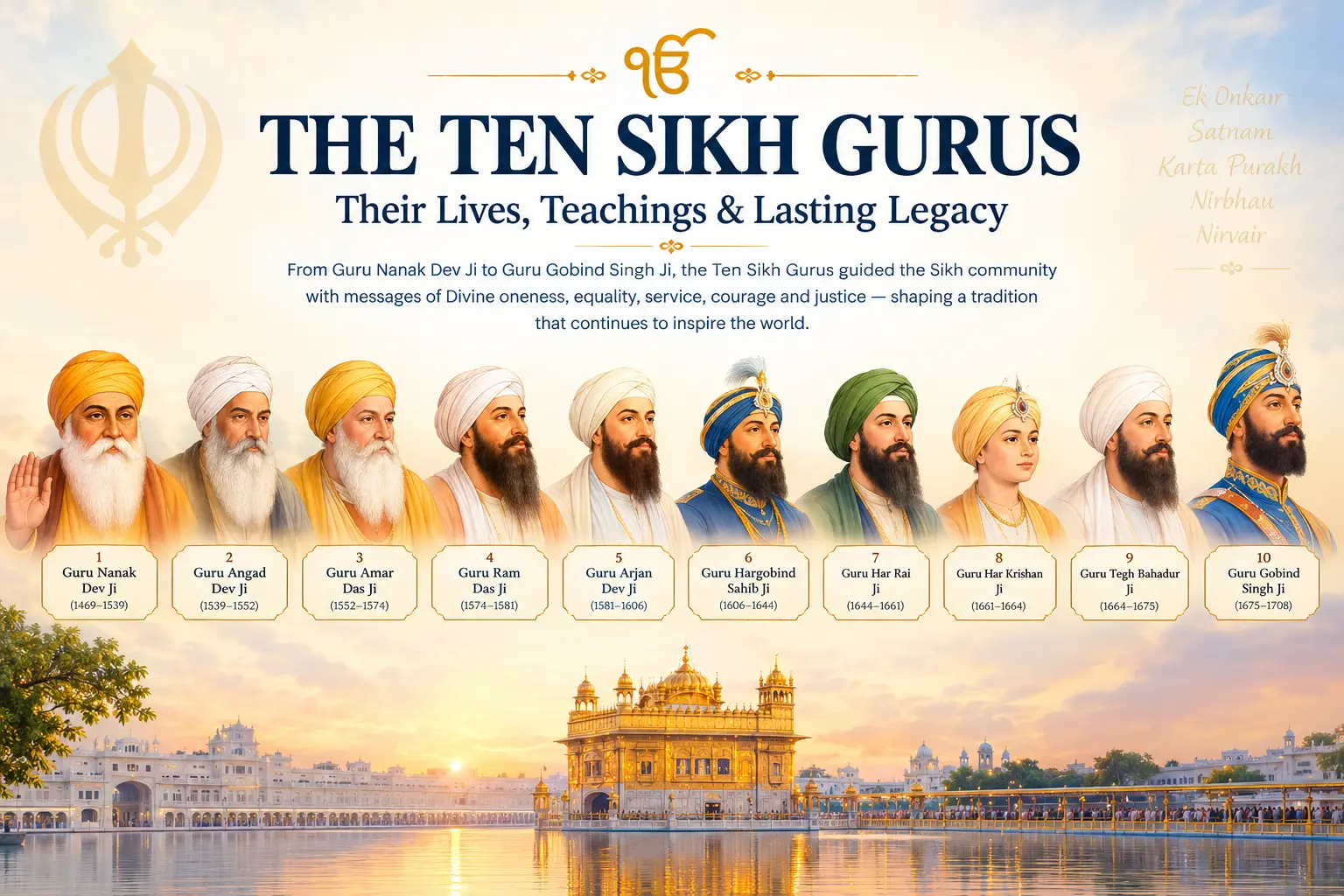
The Ten Sikh Gurus: Their Lives, Teachings, and Lasting Legacy
The Ten Sikh Gurus were the ten spiritual teachers who guided the Sikh community from the late 15th century to the early 18th century. Beginning with Guru Nanak Dev Ji and ending with Guru Gobind Singh Ji, each Guru contributed to the development of Sikh spirituality, ethical living, community institutions, and the principles of justice and equality.
The Sikh Gurus taught that spiritual life should not be separated from everyday responsibilities. Remembering the Divine, earning through honest work, sharing with others, serving humanity, and standing against injustice are important themes within Sikh teachings.
Together, the ten Gurus established a spiritual and social tradition that continues through the Guru Granth Sahib and the Sikh community.

Guru Nanak Dev Ji
The Foundation of Sikhism
Guruship: 1469–1539
Birth: 1469, Rai Bhoi di Talwandi, now Nankana Sahib, Pakistan.
Guru Nanak Dev Ji was the founder of the Sikh tradition. His teachings emphasized the oneness of the Divine, the equality of humanity, truthful living, and devotion expressed through everyday actions.
He challenged social discrimination, empty ritualism, hypocrisy, and divisions based on caste or religious identity. His message encouraged people to remember the Divine, live honestly, and care for others.
Key contributions of Guru Nanak Dev Ji
- Naam Japna: honoring the Divine.
- Karat Karo: earning honestly.
- Vand Chakko: giving to others.
His teachings laid the groundwork for the subsequent Sikh Gurus to build upon.
Lasting legacy: Guru Nanak Dev Ji established the values that still govern Sikh life and laid the spiritual groundwork for Sikhism.
Guru Angad Dev Ji
The Successor Who Strengthened Sikh Learning
Guruship: 1539–1552
Birth name: Lehna Ji
After Guru Nanak Dev Ji, the second Sikh Guru was Guru Angad Dev Ji. He upheld the teachings of the first Guru and contributed to the growth of the Sikh community.
He has a strong connection to the creation and spread of Gurmukhi, the script used to write religious texts in Punjabi and Sikh. Gurmukhi helped preserve Sikh texts and made spiritual teachings more widely available to the community.
Additionally, Guru Angad Dev Ji promoted service, learning, humility, and physical discipline. He helped the Sikh community flourish by setting a good example and establishing useful institutions.
Key contributions of Guru Angad Dev Ji
- Strengthening the use of Gurmukhi for Sikh learning.
- Preserving and sharing the teachings of Guru Nanak Dev Ji.
- Encouraging education and disciplined living.
- Supporting community service and the institution of Langar.
Lasting legacy: Guru Angad Dev Ji helped establish the educational and literary foundations of the Sikh tradition.

Guru Amar Das Ji
The Guru of Equality and Community Service
Guruship: 1552–1574
Birth: May 5, 1479, in the village of Basarke in the Punjab region of India.
The third Sikh Guru was Guru Amar Das Ji. Under his direction, Sikh community life was enhanced and equality, Langar, and service were prioritized.
He upheld the custom of Langar, the communal kitchen where people might eat together regardless of caste or social standing. Langar evolved into a potent representation of the Sikh values of compassion, hospitality, and equality.
In order to aid in the dissemination of the Gurus’ teachings, Guru Amar Das Ji also designated preachers and created structures for Sikh congregations.
Key contributions of Guru Amar Das Ji
- Strengthening Langar as a central Sikh institution.
- Promoting equality and rejecting caste-based discrimination.
- Expanding Sikh preaching and community organization.
- Encouraging service, humility, and spiritual discipline.
- Supporting the participation of women in Sikh religious and community life.
Lasting legacy: Guru Amar Das Ji demonstrated how spiritual teachings could become practical systems of equality and community welfare.
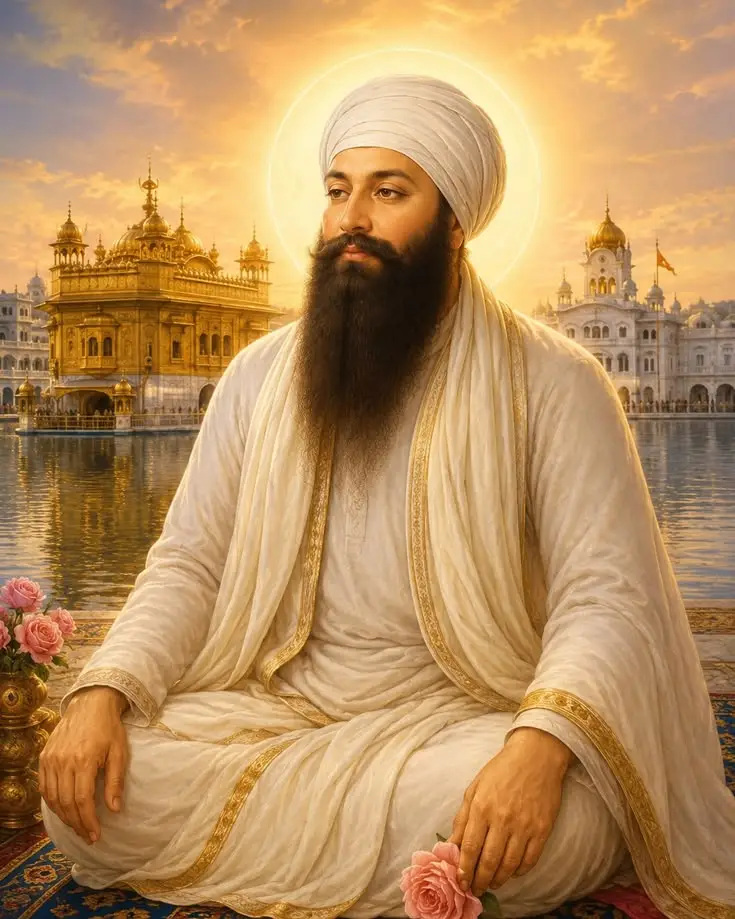
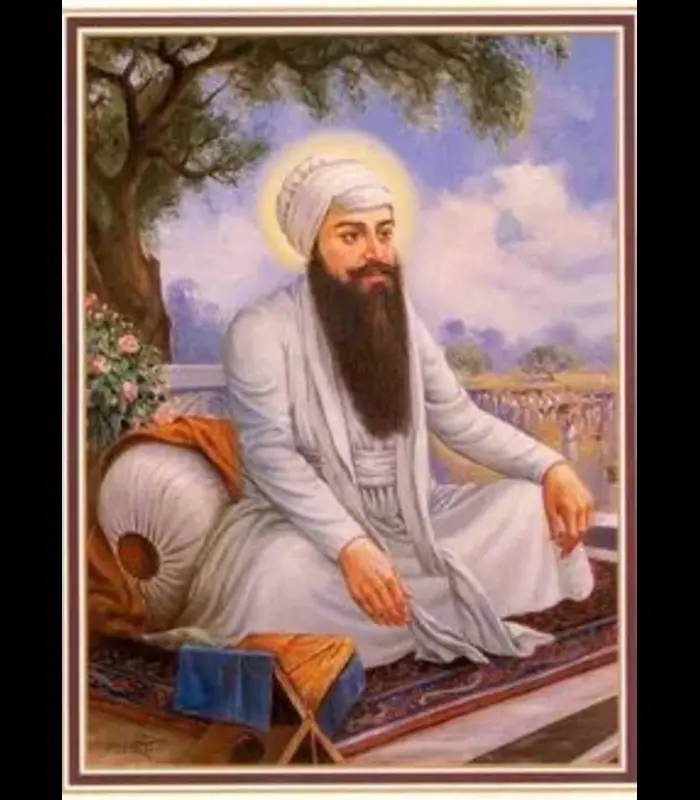
Guru Ram Das Ji
The Founder of Ramdaspur
Guruship: 1574–1581
Birth: 24 September 1534 in Lahore (present-day Pakistan)
The son-in-law of Guru Amar Das Ji, Guru Ram Das Ji was the fourth Sikh Guru. He was a major contributor to the growth of the Sikh community and the founding of Ramdaspur, which subsequently changed its name to Amritsar.
The city developed into one of the most significant hubs for Sikh religious activity. The Laavan, which is essential to the Sikh Anand Karaj wedding rite, is one of Guru Ram Das Ji’s devotional works.
His teachings placed a strong emphasis on the value of living in harmony with the Guru’s instructions, humility, devotion, love, and service.
Key contributions of Guru Ram Das Ji
- Establishing Ramdaspur, later known as Amritsar.
- Strengthening Sikh community organization.
- Composing the Laavan used in Sikh marriage ceremonies.
- Encouraging devotion, humility, and service.
- Developing the foundations of an important Sikh religious centre.
Lasting legacy: Guru Ram Das Ji helped establish Amritsar as a major centre of Sikh history and spirituality.

Guru Arjan Dev Ji
The First Sikh Martyr
Guruship: 1581–1606
Birth: April 15, 1563, Goindwal Sahib, present-day Tarn Taran district, Punjab
The son of Guru Ram Das Ji, Guru Arjan Dev Ji was the fifth Sikh Guru. He made significant contributions to Sikh worship, scripture, and community growth.
He finished significant work related to Amritsar’s Harmandir Sahib, which is now referred to as the Golden Temple. In 1604, he also assembled the works of other revered spiritual luminaries, his own creations, and the hymns of previous Sikh Gurus to create the Adi Granth.
In 1606, Guru Arjan Dev Ji was put to death during the Mughal era. His martyrdom became a pivotal moment in Sikh history and is regarded as a model of sacrifice, faith, and perseverance.
Key contributions of Guru Arjan Dev Ji
- Compiling the Adi Granth in 1604.
- Strengthening Harmandir Sahib as a central place of Sikh worship.
- Composing a substantial body of Gurbani.
- Developing Sikh institutions and community life.
- Becoming the first Sikh Guru to attain martyrdom.
Lasting legacy: Guru Arjan Dev Ji helped establish the scriptural and institutional foundations of Sikhism and became a lasting symbol of spiritual courage.

Guru Hargobind Sahib Ji
The Guru Who Developed Miri and Piri
Guruship: 1606–1644
Birth: 19 June 1595, Village Guru Ki Wadali, located 7 kilometers west of Amritsar in Punjab, India
The son of Guru Arjan Dev Ji, Guru Hargobind Sahib Ji was the sixth Sikh Guru. His leadership signaled a significant turning point in Sikh history, especially with regard to the connection between spirituality and accountability for justice.
He is connected to the Miri and Piri principle. To put it simply, this illustrates the connection between spiritual authority and temporal duty. According to Sikh tradition, this idea emphasizes the need for spiritual life to encompass social duty and the defense of justice.
The Akal Takht Sahib, a significant hub of Sikh temporal power, was founded at Amritsar by Guru Hargobind Sahib Ji. In addition, he taught Sikhs how to defend themselves and urged the group to react to injustice while maintaining a strong spiritual foundation.
Key contributions of Guru Hargobind Sahib Ji
- Developing the principle of Miri and Piri.
- Establishing the Akal Takht Sahib.
- Encouraging responsibility for justice and community protection.
- Strengthening Sikh organization and discipline.
- Connecting spiritual devotion with social responsibility.
Lasting legacy: Guru Hargobind Sahib Ji helped shape the Sikh understanding that spirituality and the defence of justice can exist together.

Guru Har Rai Ji
The Guru of Compassion and Care
Guruship: 1644–1661
Birth: 16 January 1630, Kiratpur Sahib, Punjab
The grandson of Guru Hargobind Sahib Ji, Guru Har Rai Ji was the seventh Sikh Guru. He carried on the Sikh heritage of spiritual instruction, volunteer work, and care for other living things.
He is renowned for his kindness, concern for the environment, and advocacy for human welfare. According to Sikh historical tradition, he is responsible for tending to herbal gardens and offering medical support.
Additionally, Guru Har Rai Ji promoted the study and dissemination of Gurbani and persisted in fortifying Sikh institutions.
Key contributions of Guru Har Rai Ji
- Promoting compassion and care for living beings.
- Supporting community welfare and medical assistance.
- Maintaining Sikh educational and spiritual institutions.
- Continuing the tradition of Langar and service.
- Encouraging humility, devotion, and ethical conduct.
Lasting legacy: Guru Har Rai Ji is remembered for showing how spiritual wisdom can be expressed through compassion, care, and practical service.

Guru Har Krishan Ji
The Child Guru of Compassion
Guruship: 1661–1664
Birth: 7 July 1656, Kiratpur Sahib
Among the 10 human Gurus, Guru Har Krishan Ji was the youngest and eighth Sikh Guru. He rose to the position of Guru at an early age and is renowned for his kindness, humility, and assistance to those in need.
Historical Sikh legend links him to helping sick people during his stay in Delhi. His life is particularly recognized for the conviction that age has no bearing on spiritual grandeur.
The example of Guru Har Krishan Ji emphasizes the value of compassion, altruism, and aiding those in need.
Key contributions of Guru Har Krishan Ji
- Serving people during a period of illness in Delhi.
- Demonstrating compassion and humility.
- Inspiring Sikhs to care for vulnerable people.
- Emphasizing spiritual wisdom beyond age or status.
Lasting legacy: Guru Har Krishan Ji remains a symbol of compassion, selfless service, and spiritual purity.

Guru Tegh Bahadur Ji
The Protector of Freedom of Conscience
Guruship: 1664–1675
Birth: April 1, 1621, in Amritsar, Punjab, India.
Guru Gobind Singh Ji’s father, Guru Tegh Bahadur Ji, was the ninth Sikh Guru. His writings are incorporated in the Guru Granth Sahib.
He was a deeply spiritual poet. His teachings address the transient character of this life, inner courage, separation from ego, freedom from fear, and recollection of the Divine. In 1675, Guru Tegh Bahadur Ji was put to death in Delhi.
His sacrifice is commemorated in Sikh tradition in relation to the defense of religious liberty and the freedom of individuals to follow their faith without interference. He is universally revered as Hind Di Chadar, a title linked to his protection of religious freedom and human decency.
Key contributions of Guru Tegh Bahadur Ji
- Composing deeply reflective Gurbani.
- Teaching courage, humility, spiritual discipline, and detachment.
- Standing against religious persecution and coercion.
- Giving his life in defence of freedom of conscience.
- Inspiring people to resist fear and injustice.
Lasting legacy: Guru Tegh Bahadur Ji’s martyrdom represents the Sikh commitment to human dignity, freedom of belief, and courage in the face of oppression.
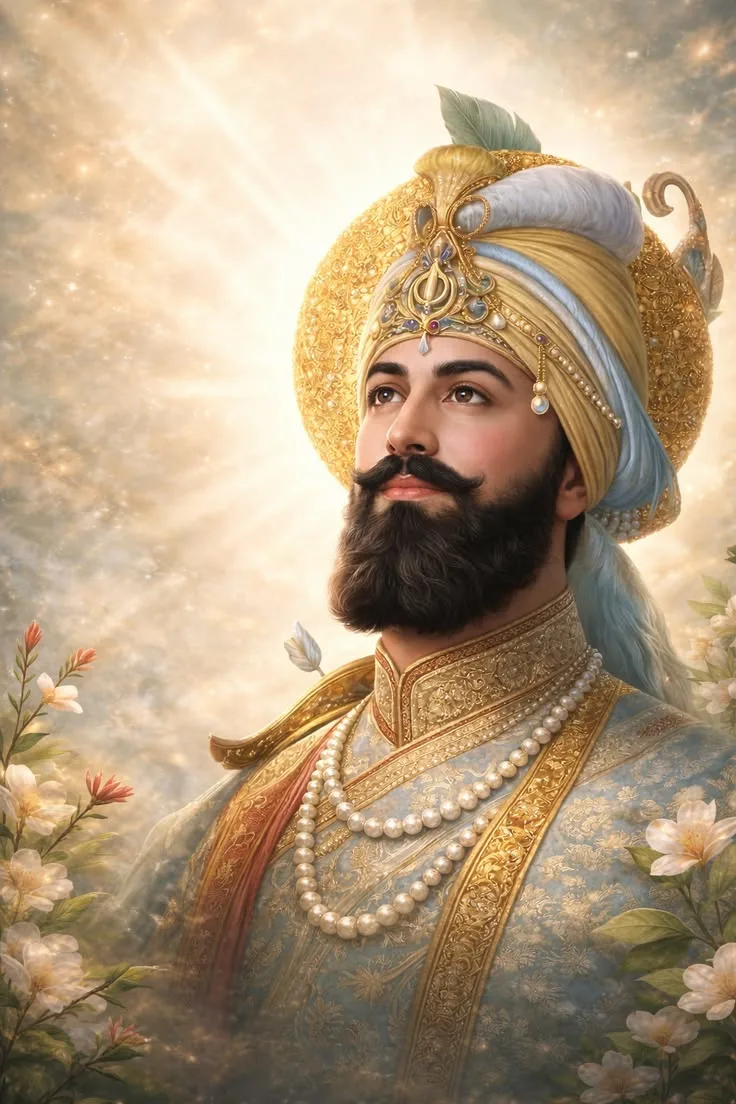
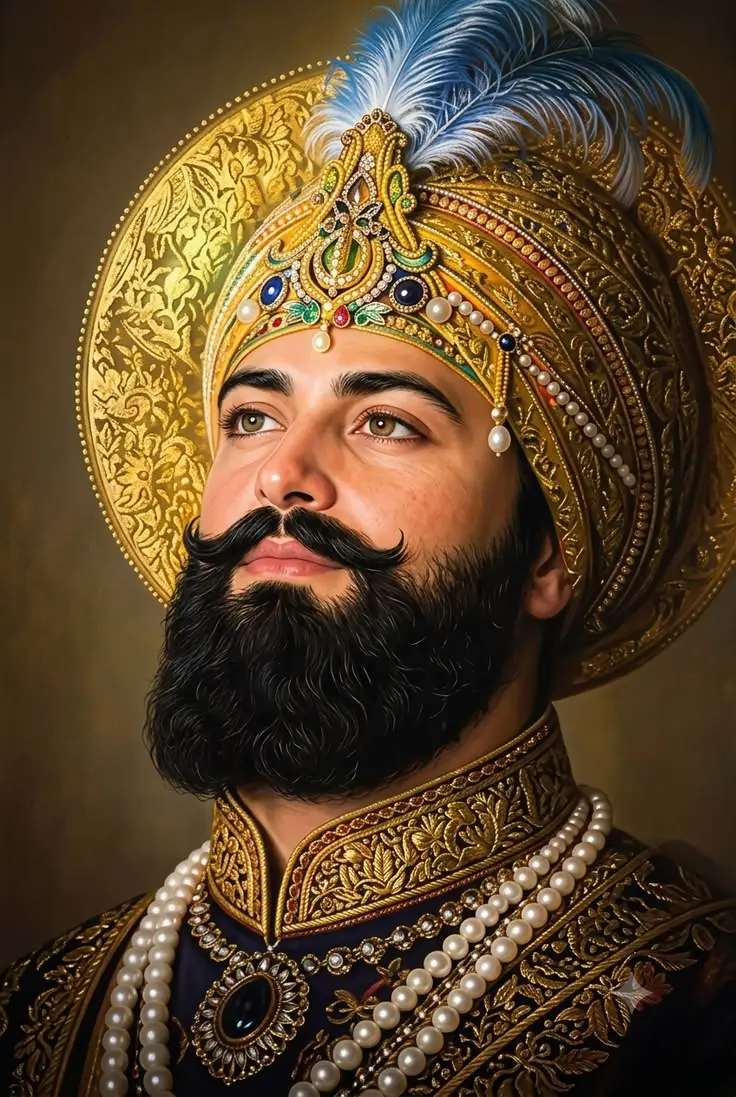
Guru Gobind Singh Ji
The Founder of the Khalsa
Guruship: 1675–1708
Birth: 22 December 1666, Patna City, Patna
The tenth and last human Sikh Guru was Guru Gobind Singh Ji. Born in Patna Sahib in 1666 as Gobind Rai, he became a guru following the martyrdom of his father, Guru Tegh Bahadur Ji.
The Khalsa’s growth and the official fortification of Sikh identity and discipline were greatly aided by his leadership. Guru Gobind Singh Ji founded the Khalsa in 1699 at Anandpur Sahib by creating the Panj Pyare, or the Five Beloved Ones, and performing the Amrit initiation rite. The values of bravery, equality, discipline, commitment, and service served as the foundation for the Khalsa.
Guru Gobind Singh Ji also contributed to Sikh literary and spiritual traditions. He prepared the final recension of the Sikh scripture, incorporating the compositions of Guru Tegh Bahadur Ji into the Guru Granth Sahib.
Before his passing in 1708, Guru Gobind Singh Ji ended the line of personal human Gurus and affirmed the continuing authority of the Guru Granth Sahib.
Key contributions of Guru Gobind Singh Ji
- Establishing the Khalsa in 1699.
- Instituting the Amrit initiation ceremony.
- Strengthening Sikh identity and discipline.
- Inspiring courage, equality, and resistance to injustice.
- Finalizing the Sikh scriptural tradition associated with the Guru Granth Sahib.
- Passing the Guruship to the Guru Granth Sahib.
Lasting legacy: Guru Gobind Singh Ji shaped the Khalsa and established the continuing spiritual authority of the Guru Granth Sahib.