ABOUT
SIKHISM
Understand the Timeless Wisdom of Sikhi
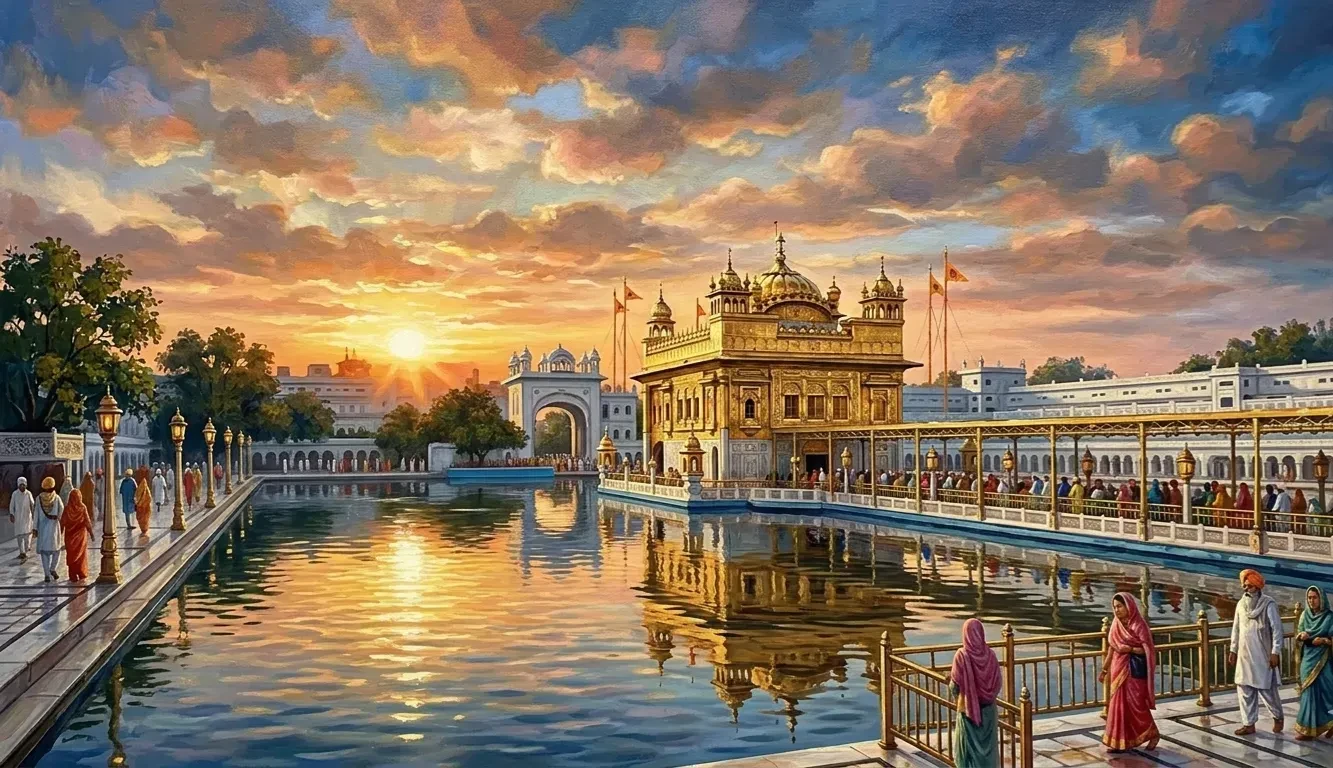
Welcome to a thorough examination of Sikhism, also known as Sikhi (ਸਿੱਖੀ). Sikhism is a dynamic, monotheistic religion that was established in the Punjab region of South Asia more than 550 years ago.
Understanding the History, Beliefs and Teachings of Sikhi
Sikhism (Sikhi) is a monotheistic faith founded in the late 15th century in Punjab by Guru Nanak Dev Ji and developed through ten Sikh Gurus. It teaches belief in One Creator, the essential equality of all people, and a life centered on remembering the Divine (Naam Simran), honest living (kirat karni), sharing (vand chakna), and selfless service (seva).
Core values include compassion, justice, and the rejection of all forms of prejudice—caste, gender, or social status. Rather than focusing on rituals, Sikhi guides everyday conduct: working truthfully, caring for family, helping others, and standing against injustice while keeping the Divine in mind.
The eternal Guru and central scripture is the Guru Granth Sahib Ji. Sikh teachings are studied through Gurbani, the Gurus’ history, Sikh institutions, customs, prayers, and the community’s lived values.
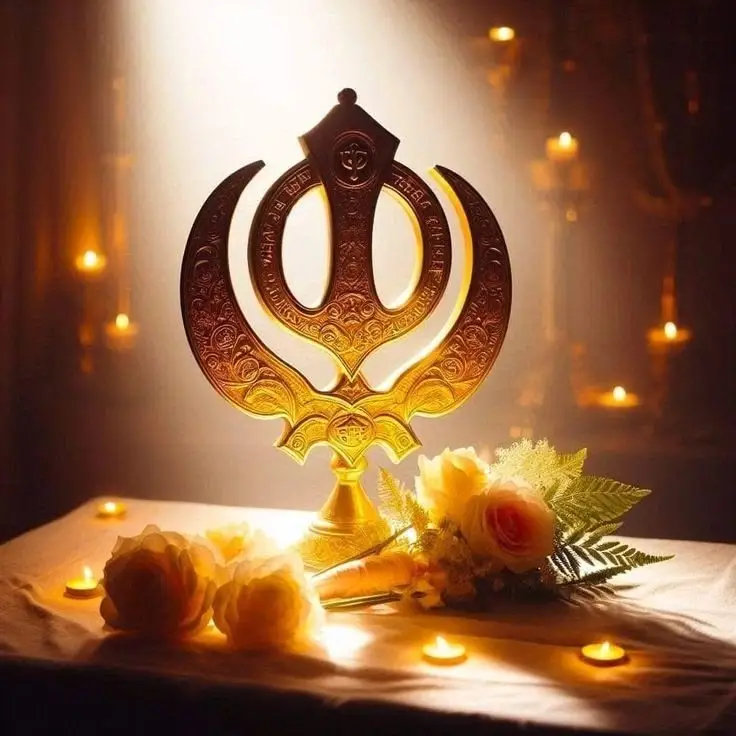
Naam Simran
Remembering the One Creator through meditation and prayer keeps the mind calm, humble, and connected to the Divine in daily life.
Kirat Karni
Earning an honest living through truthful work is regarded as spiritual practice, not separate from it.
Vand Chakna
Sharing earnings and blessings with others builds a community where no one is left without support.
Seva
Selfless service, such as serving langar (the community kitchen), expresses equality and compassion in action.
A Brief History of Sikhi
Sikh history began with Guru Nanak Dev Ji (born 1469), who taught the oneness of God and the equality of all people. Nine Gurus followed, each strengthening the community through teaching, service, and courage. In 1699, Guru Gobind Singh Ji founded the Khalsa, a community committed to justice and discipline. Before his passing in 1708, he declared the Guru Granth Sahib Ji the eternal Guru of the Sikhs.
The Three Pillars of Sikhi
Guru Nanak Dev Ji taught a simple, balanced way of life built on three practices: remembering the Divine, earning honestly, and sharing with others. Together they shape daily conduct in Sikhi.

Naam Japna
Remembering and meditating upon the Divine, keeping the mind humble, calm, and connected to the One Creator.

Kirat Karni
Earning through honest and ethical work, and treating a truthful livelihood as part of spiritual life.

Vand Chakna
Sharing with others and supporting the community, so that blessings and earnings reach those in need.
What Is the Khalsa?
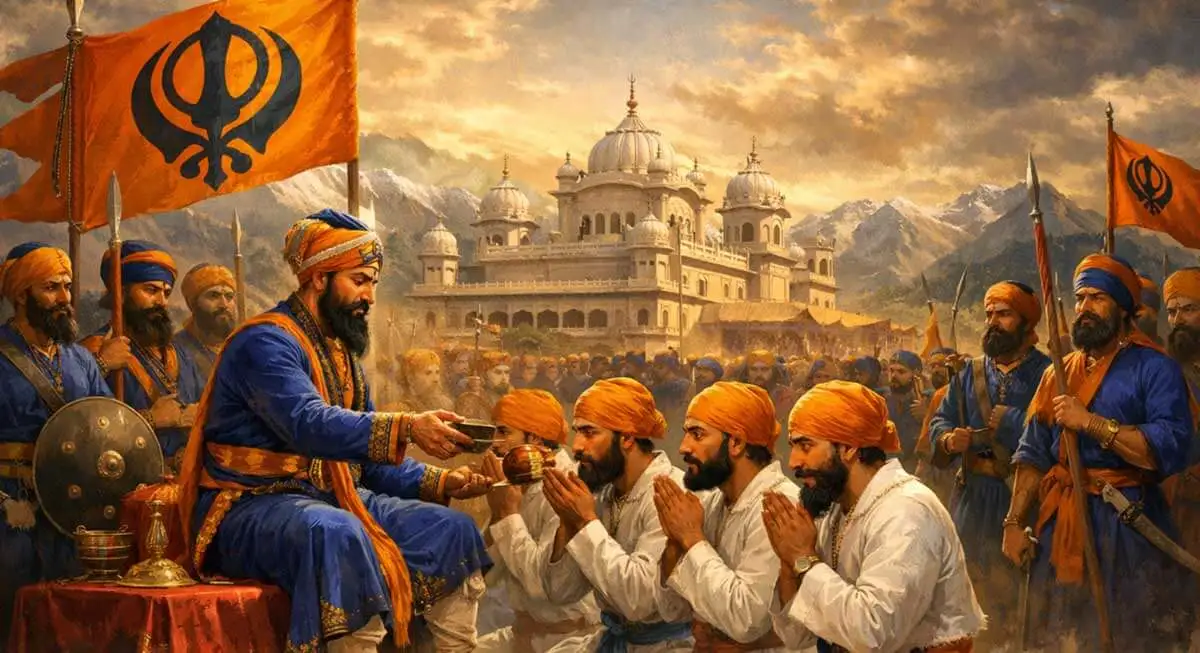
The Khalsa is the group of initiated Sikhs that Guru Gobind Singh Ji founded on Vaisakhi in 1699 at Anandpur Sahib. It stands for a dedication to justice, equality, bravery, service, and spiritual discipline.
Sikhs accept the obligations of Khalsa life and the Sikh code of conduct when they join the Khalsa through Khande di Pahul (Amrit Sanchar). The use of Singh and Kaur rejects caste-based identification and emphasizes equality.
The Five Ks (Panj Kakar)
Khalsa Sikhs follow the Five Ks. Together, these articles represent spiritual discipline, identity, and responsibility.
Kesh
Uncut hair, kept as a mark of acceptance and spiritual identity.
Kangha
A small wooden comb, a symbol of cleanliness and an orderly life.
Kara
A steel bracelet, a reminder of restraint, truthful action and commitment to the Divine.
Kachera
A cotton undergarment, a symbol of self-control and readiness.
Kirpan
A sword of dignity, worn as a duty to protect justice and the vulnerable.
The Saint-Soldier Ideal
The Khalsa personifies the Sant-Sipahi (Saint-Soldier) ideal, which combines devotion to the Divine with bravery, seva, and the defense of human dignity and justice. The Khalsa is still essential to Sikh identity and the Sikh Panth worldwide.
What Is Langar?
In order to foster equality, selfless service (seva), sharing, and community, Sikhi founded the free communal kitchen and shared meal ritual known as langar. Regardless of caste, religion, gender, or social standing, people from all backgrounds gather at a Gurdwara and share the same vegetarian meal.
The Sikh belief that everyone should be treated equally and with dignity is reflected in langar. Langar is a communal dinner and a tangible manifestation of Sikh ideals because volunteers prepare, serve, and clean the kitchen as an act of seva.
Why Does Sikhism Value Langar?
Langar helps put Sikh teachings into practice by promoting:
- EqualityEveryone dines together without regard to social status.
- SevaVolunteers serve others without seeking recognition.
- SharingThe community is given access to resources and food.
- CommunityPeople are united by respect and camaraderie.

Sikh Festivals and Important Days
Sikh communities observe several important religious and historical occasions.

Vaisakhi
Guru Gobind Singh Ji founded the Khalsa at Anandpur Sahib in 1699, which makes Vaisakhi particularly important.

Gurpurabs
The Sikh Gurus’ births and other noteworthy occasions are commemorated in gurpurabs.

Hola Mohalla
Hola Mohalla evolved into a significant Sikh custom connected to martial arts training, social events, and displays of bravery and self-control.

Bandi Chhor Divas
Bandi Chhor Divas is associated with Guru Hargobind Sahib Ji and is widely observed by Sikh communities.